Airport Cargo Security Screening: Why It Matters More Than Ever in 2025
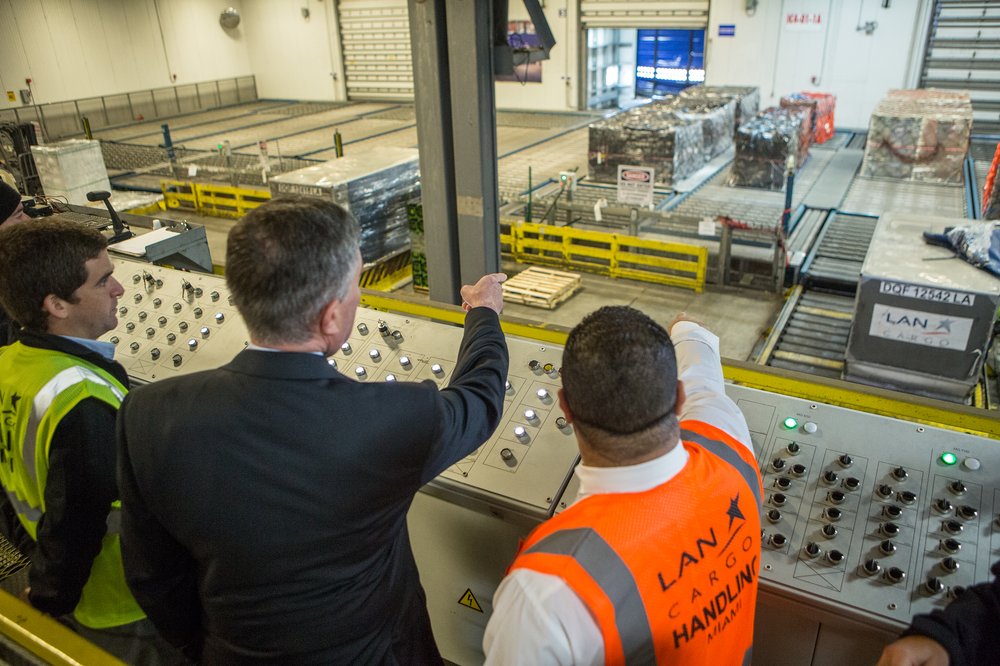
Global air cargo volume exceeded 65 million metric tons in 2024, making the skies the world's busiest freight highway. Yet only about 25% of cargo is physically screened before boarding an aircraft. As threats evolve and regulatory pressure intensifies, robust airport cargo security screening has never been more critical.
The Regulatory Landscape: ICAO, TSA, and Beyond
The TSA requires 100% screening of all cargo on passenger aircraft. ICAO Annex 17 compliance obligates member states to implement security controls across the entire air cargo supply chain. Key requirements include:
- 100% screening of passenger aircraft cargo (TSA mandate)
- Supply chain security controls under ICAO Annex 17
- Documentation and chain-of-custody traceability for all freight
- Incident reporting and audit trail maintenance
- Regular security program reviews and staff recertification
Understanding the KNOWN SHIPPER Program
The KNOWN SHIPPER program allows airlines and freight forwarders to identify trusted, low-risk shippers with established histories — enabling expedited processing without sacrificing security. Best practices for maintaining compliance:
- Conduct internal security reviews at least annually
- Train shipping staff on cargo acceptance protocols
- Document all changes to packaging, routing, or handling procedures
- Immediately report any suspected tampering to your IAC
Air Cargo Inspection Technology: Leading the Industry in 2025
CT technology is increasingly adopted for cargo because it generates 3D imagery for far greater accuracy than traditional 2D X-ray. AI-assisted threat recognition software integrated with cargo X-ray scanners learns from historical data and improves over time. Leading technologies include:
- Cargo X-ray scanners — High-energy dual-view systems for dense, palletized freight
- CT systems — 3D volumetric imaging for precise threat detection
- Explosive Trace Detection (ETD) — Chemical detection for high-priority shipments
- Explosive Detection Dogs (EDD) — Gold-standard for certain cargo types
- Density meters — Supplemental tools for anomaly confirmation
Best Practices for Cargo Security Operations
- Layer your screening methods — Combine X-ray, ETD, and physical inspection based on risk profiles
- Prioritize operator training — TSA-certified image analysis training refreshed regularly
- Implement risk-based targeting — Allocate resources where risk is highest
- Maintain equipment rigorously — Preventive maintenance and calibration for all systems
- Audit your supply chain partners — Your program is only as strong as your weakest link
Choosing the Right Cargo Inspection Partner
Auric Wisdom Industries LLC specializes in cargo inspection solutions, helping facilities navigate equipment selection, regulatory compliance, and staff training for both TSA and ICAO Annex 17 standards.
Ready to Strengthen Your Cargo Security Program?
Contact Auric Wisdom Industries LLC today to discuss your cargo security needs and get tailored recommendations. Email: Auricai2025@gmail.com